




The Renters Rights Act has raised a lot of questions for landlords, and understandably so. With changes to tenancy rules, possession, rent increases and tenant rights, many property owners are trying to work out what the new legislation means in practical terms.
These are some of the most common questions we are being asked by landlords at the moment. We have answered them in a clear and straightforward way to help you understand the changes, what they could mean for your property, and what steps you may need to take next.
Landlord’s updates
What is the Renters Rights Act?
The Renters Rights Act 2025 is new legislation affecting the private rented sector in England. It changes the rules around tenancies, possession, rent increases and landlord responsibilities.
Further information: gov.uk guide to the Renters’ Rights Act.
When do the main changes start?
The Act became law in October 2025, with major tenancy changes taking effect from 1 May 2026. That is the key date landlords need to be aware of when reviewing tenancy agreements, notices and management processes. For more detail, take a look at our Renter’s Rights Act Timeline.
Further information: gov.uk overview for landlords.
Can I still use a fixed term tenancy?
The new rules move private rented tenancies in England onto a periodic model rather than the traditional assured shorthold tenancy structure. This means tenants can usually remain in the property until they choose to leave or the landlord has a valid legal ground for possession. Further information: legislation.gov.uk Renters’ Rights Act 2025.
Can I still serve a Section 21 notice?
No. Section 21 no-fault evictions are abolished under the new rules. Landlords must now rely on legal possession grounds where they want to recover a property.
Further information: gov.uk guidance on evicting tenants.
How do landlords regain possession under the new rules?
Landlords can still recover possession, but only where there is a valid legal ground. This may include circumstances such as serious rent arrears, tenancy breaches, wanting to sell the property or a landlord intending to move in, depending on the circumstances and the legal requirements.
Can I still increase the rent?
Yes. Rent increases are generally limited to once a year and must follow the correct legal process. Tenants also have the right to challenge rent increases if they believe the proposed rent is above the market level.
Further information: gov.uk rent increases guidance.
Do I have to accept pets?
Not automatically, but landlords cannot unreasonably refuse a written request from a tenant to keep a pet. Requests must be considered properly, and landlords should have a clear and fair process in place.
Further information: gov.uk guidance on pets in rented property.
Can I refuse tenants who have children or receive benefits?
No, not simply for those reasons. The Act introduces stronger protections against rental discrimination, which means landlords and agents need to ensure their application processes are fair and lawful.
Further information: gov.uk guidance on rental discrimination.
Can I accept offers above the advertised rent?
No. The rules are designed to prevent rental bidding wars. Landlords and letting agents must advertise a clear asking rent and cannot invite, encourage or accept offers above that amount.
Further information: gov.uk rental bidding guidance.
Do I need to give tenants any new paperwork?
Yes. There are new written information requirements for tenants, including the official Renters’ Rights Act Information Sheet 2026 where applicable. Landlords should make sure they are using the correct version and issuing it in the correct way.
Further information: gov.uk Renters’ Rights Act Information Sheet 2026.
Will there be a landlord database or ombudsman?
Yes. The legislation includes provision for a Private Rented Sector Landlord Ombudsman and a Private Rented Sector Database. These changes are being introduced in stages and are intended to improve standards, transparency and redress within the sector.
Does the Act apply everywhere in the UK?
No. The Renters Rights Act reforms relate to England. Landlords with property in Scotland, Wales or Northern Ireland will need to follow the rules that apply in those countries.
What should landlords do now?
Landlords should review tenancy documents, notice procedures, rent review processes, tenant application practices and compliance systems. It is also a good time to get professional advice if you want to make sure your property management approach reflects the latest legal requirements.
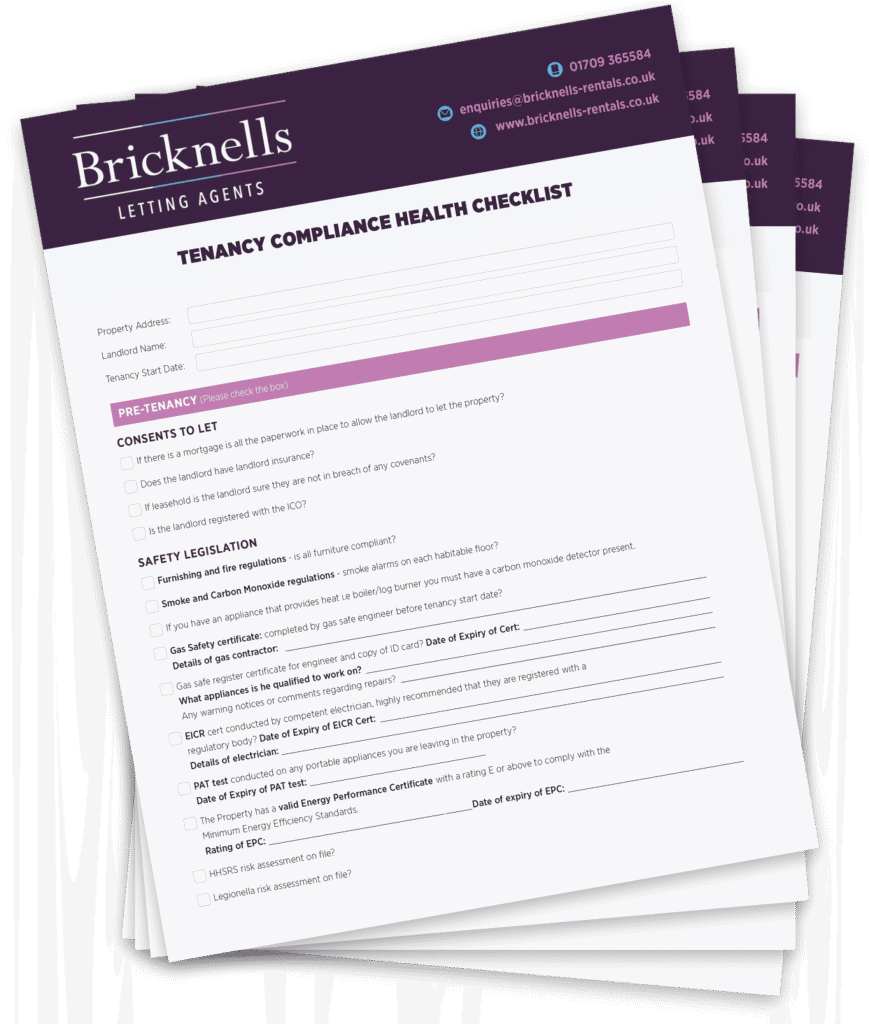
Download our free Tenancy Compliance Checklist
- A simple tick list to guide you through compliance pre-tenancy, set up, starting and during the tenancy.
- Things to consider before you rent out your property.
- Section 21 notice tick list.
For landlords who want less day-to-day involvement, a fully managed service can help reduce the administrative burden and support ongoing compliance. Bricknells Rentals supports landlords across Rotherham, Sheffield, Barnsley, Doncaster, Worksop and Chesterfield with practical, local lettings and property management advice.
Need help managing your rental property?
If you are unsure how the Renters Rights Act affects your tenancy setup, notices or day-to-day responsibilities, Bricknells Rentals can help. We support landlords across South Yorkshire and North East Derbyshire with let only and fully managed services tailored to the level of support you need.